
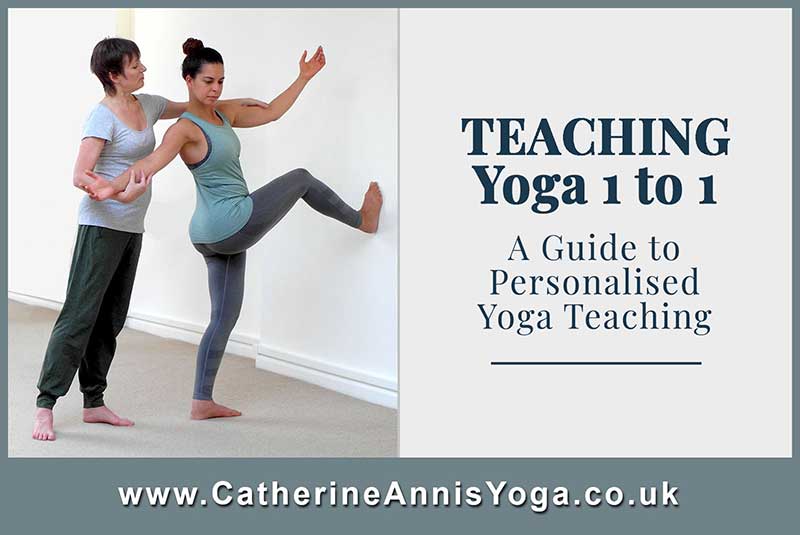
Teaching Yoga 1 to 1: A Guide to Personalised Yoga Teaching
Teaching yoga 1 to 1 is a wonderful opportunity to create a truly personalised experience for a student. Unlike a group yoga class, where the teacher needs to consider the needs of several people at once, private yoga lessons allow the practice to be shaped around one individual, their body, their experience, their goals and their lifestyle.
Whether you are a newly qualified yoga teacher developing your teaching skills or an experienced instructor looking to offer more personalised sessions, understanding how to teach yoga 1 to 1 can help you create meaningful, safe and effective classes.
One-to-one can be particularly beneficial for students who are new to yoga, returning to practice after a break, working with particular physical limitations, or simply wanting more individual attention and guidance. It also provides an opportunity to explore yoga beyond the physical postures, incorporating breathwork, mindfulness, relaxation and meditation into a practice that is specifically designed for the individual.
Begin with a Conversation and Assessment
Before beginning the physical practice, take time to get to know your student.
A good first private yoga session should include a conversation about their previous experience, what they would like to achieve and anything that may affect their practice. Ask about their experience of yoga, the types of movement they enjoy, their current level of fitness and whether there are any physical limitations or health considerations that need to be taken into account.
.
The student's reasons for seeking yoga 1 to 1 may be very different from someone else's. They may want to:
• Improve flexibility and mobility
• Develop strength and balance
• Reduce stress and create more calm in their everyday life
• Improve their confidence with yoga postures
• Learn correct alignment and technique
• Establish a regular yoga practice
• Complement another form of exercise
• Prepare for or return to activity following a period away from exercise
• Develop their understanding of breathwork and mindfulness
• Have a quieter and more personalised alternative to a group class
.
Understanding these goals allows you to create a session that feels relevant and purposeful.
It is also important to establish appropriate boundaries around health and wellbeing. A yoga teacher is not a doctor or physiotherapist, so where a student has a significant medical condition, injury or ongoing health concern, they may need appropriate professional advice before or alongside their yoga practice.
Create a Welcoming and Supportive Environment
One of the greatest benefits of private yoga teaching is the relationship that develops between teacher and student.
For some people, attending a group yoga class can feel intimidating. They may worry about not being flexible enough, not knowing the poses or being unable to keep up with other students. A yoga 1 to 1 environment can remove some of this pressure and allow the student to learn at their own pace.
Creating a welcoming atmosphere from the beginning helps the student feel comfortable asking questions and communicating honestly about how they feel.
Encourage your student to tell you when something feels uncomfortable, too challenging or simply doesn't feel right. This open communication is essential for creating a safe and enjoyable practice.
A successful private yoga teacher doesn't simply demonstrate postures. They listen, observe, adapt and respond.
Set Clear Goals for Each Session
Once you understand why the student has chosen private yoga, you can begin to establish realistic goals.
These goals don't have to be complicated. Perhaps the focus of one session is improving hip mobility, while another concentrates on balance, relaxation or building confidence with a particular sequence of postures.
Having a clear intention helps both teacher and student understand the purpose of the session.
It is also worth remembering that progress in yoga isn't always physical. A student may become more aware of their breathing, develop greater body awareness, feel calmer after practice or gain confidence in listening to their body.
These are all valuable aspects of progress.
Adapt the Yoga Practice to the Individual
The biggest difference between teaching a group class and teaching private yoga lessons is the ability to adapt the practice in real time.
A sequence that works beautifully for one person may not be appropriate for another. In a yoga 1 to 1 session, you can adjust the pace, duration, intensity and choice of postures according to the student's needs.
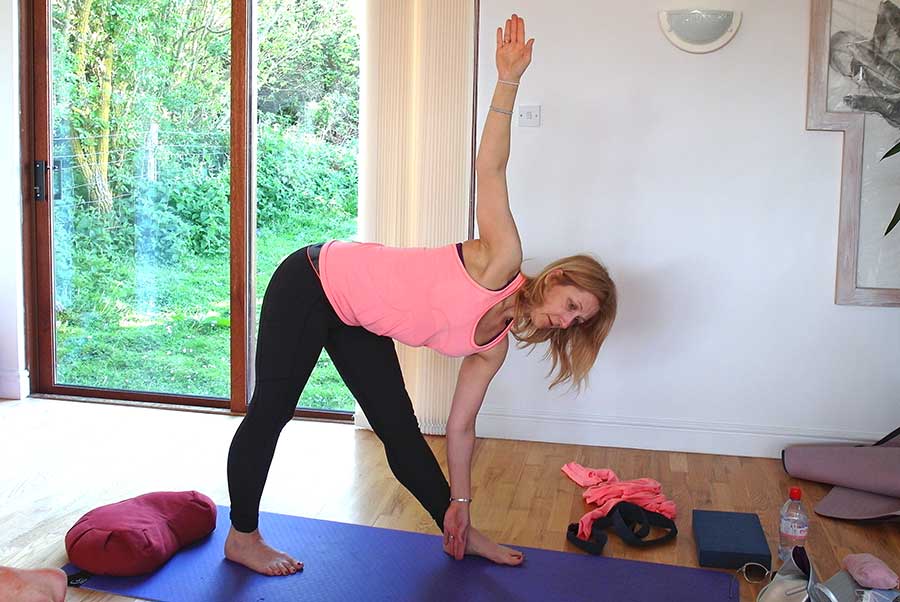
Props such as blocks, straps, bolsters and blankets can be incredibly useful. They can provide support, improve comfort and help students understand how a posture should feel without forcing their bodies into a particular shape.
Modifications can also make yoga more accessible. A student doesn't need to perform the most advanced version of a posture to experience its benefits.
As a teacher, your role is not to encourage students to push beyond their limits simply for the sake of achieving a deeper posture. Instead, help them develop greater awareness, control and confidence within their own practice.
Focus on Alignment and Safe Movement
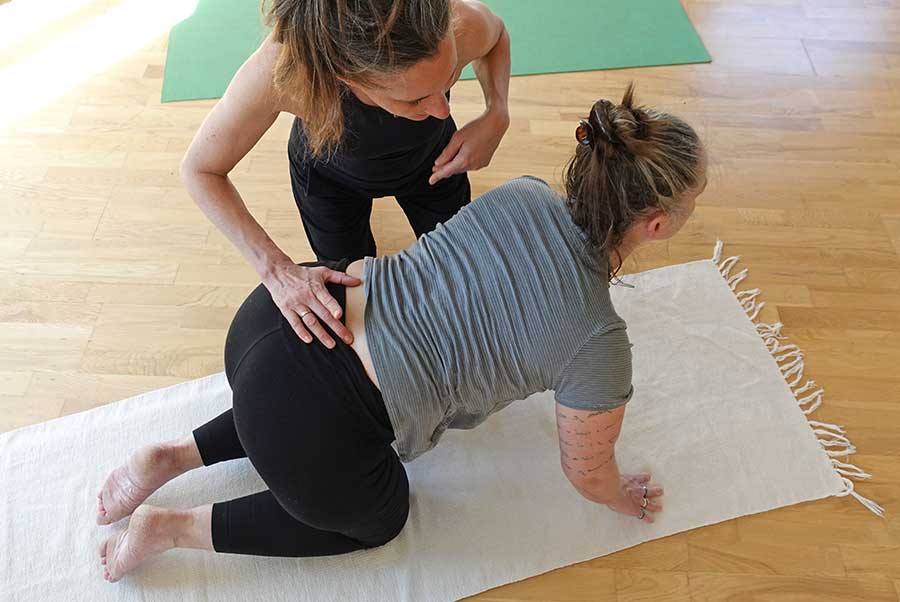
Individual teaching provides an excellent opportunity to observe a student's movement closely.
During the session, watch how they enter and leave postures, how they distribute their weight and how they respond to different movements. Offer clear, simple feedback rather than overwhelming them with too many instructions at once.
Small adjustments can make a significant difference to a student's understanding.
For example, rather than simply telling someone that their alignment is incorrect, explain what they can change and why. This helps the student become more independent and develops their body awareness over time.
Hands-on adjustments should always be approached thoughtfully and respectfully, with clear communication and appropriate consent. Many teachers can offer effective guidance through verbal cues and demonstrations without needing physical adjustments.
Incorporate Breathwork and Mindfulness
Yoga is about much more than physical postures.
A yoga 1 to 1 teaching allows you to introduce breathwork, mindfulness and relaxation in a way that is appropriate for the individual student.
Encouraging awareness of the breath can help students connect more deeply with their bodies and notice when they are becoming tense or distracted. Simple breathing practices can also create a sense of calm and help transition the student into or out of their physical practice.
Mindfulness can be incorporated throughout the session by encouraging students to notice physical sensations, thoughts and emotions without judgement.
Ending a private yoga session with a period of relaxation can be particularly valuable. It gives the student time to absorb the practice and experience the quieter side of yoga.
Track Progress Over Time
One of the advantages of teaching yoga 1 to 1 is being able to build a long-term understanding of your student's practice.
Keeping simple notes after each session can help you remember which postures were introduced, which modifications worked well and what the student would like to explore next.
Over time, this creates a personalised pathway rather than a collection of unrelated yoga classes.
Progress may include greater strength, flexibility, balance or mobility, but it can also involve increased confidence, improved body awareness and a stronger connection with the breath.
Regularly reviewing the student's goals also gives you an opportunity to adapt the practice as their needs change.
Encourage Practice Between Sessions
A private yoga session can be even more beneficial when the student has something simple to practise at home.
Rather than giving them a long or complicated sequence, consider suggesting a short selection of postures, breathing exercises or relaxation techniques that they feel confident practising independently.
The aim is to help the student develop their own relationship with yoga.
One of the most rewarding aspects of individual yoga instruction is seeing a student gradually become more independent. The teacher provides knowledge, guidance and encouragement, but ultimately the student learns how to listen to their own body and make informed choices about their practice.
The Benefits of Teaching Yoga 1 to 1
There are many benefits to offering private yoga sessions for both the student and the teacher.
For the student, a yoga1 to 1 offers personalised attention, flexibility and the opportunity to work at their own pace. Sessions can be adapted around their experience, physical abilities and personal goals.
For beginners, private yoga can provide a supportive introduction without the pressure of joining a busy class. For more experienced students, it can provide an opportunity to refine technique, explore specific areas of practice or receive individual feedback.
Private yoga can also be particularly appealing to people whose schedules don't fit traditional class timetables. Sessions can often be arranged around the individual's lifestyle, making it easier to develop consistency.
For teachers, one-to-one work can be incredibly rewarding. It encourages you to become a better observer, communicator and educator. Every student is different, so teaching privately develops your ability to adapt your knowledge rather than relying on a fixed class structure.
Building a Personalised Yoga Journey
Ultimately, teaching yoga 1 to 1 is about much more than creating a sequence of poses.
It is about listening to the person in front of you and understanding that their yoga practice is unique.
A successful private yoga teacher creates a space where the student feels seen, supported and encouraged. They provide appropriate challenges while respecting individual boundaries, explain the purpose behind practices and gradually help the student develop confidence and independence.
The most effective yoga 1 to 1 sessions are dynamic and responsive. The plan you begin with may change depending on how the student feels that day, and this flexibility is one of the great strengths of private teaching.
Yoga is not a competition, and there is no single definition of what a successful practice should look like. Through personalised teaching, students can discover ways of practising that feel supportive, sustainable and meaningful to them.
Whether the aim is to develop strength and mobility, improve body awareness, manage everyday stress, deepen an existing yoga practice or simply find a little more space and calm, private yoga lessons can offer a truly individual approach.
For yoga teachers, learning how to teach yoga 1 to 1 is therefore an important skill. It combines knowledge of yoga with observation, communication, empathy and the ability to adapt. By putting the individual student at the heart of every session, you can create a yoga experience that supports their needs today while helping them build the confidence and understanding to continue their practice into the future.
Enjoyed this? Let's stay connected.
Follow me on Instagram for practical movement ideas, strength and somatic yoga, and ideas to help you move well, feel strong and stay resilient.