
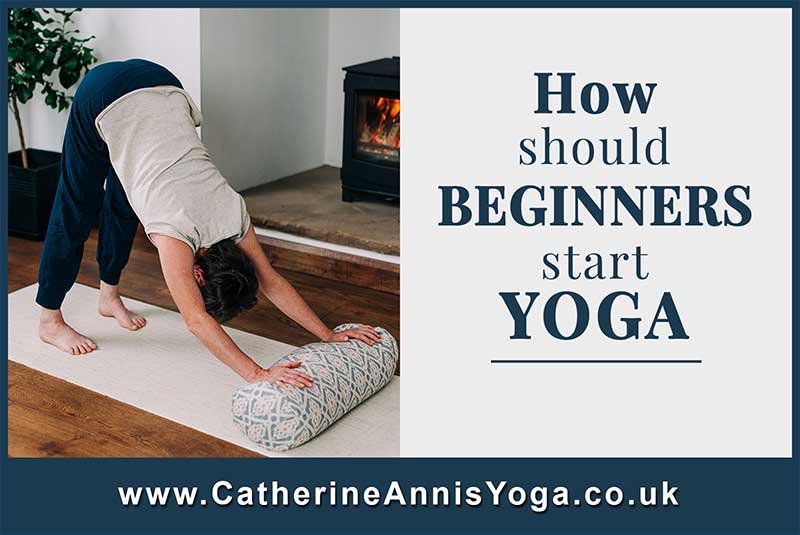
How Should Beginners Start Yoga
Are you ready to embark on an enriching yoga journey?
Beginners keen on embarking on their yoga journey should adopt a structured approach to ensure a safe and pleasurable experience.
.
First and foremost, it's important that beginners explore various styles of yoga, such as Scaravelli, Vinyasa, Ashtanga and Yin, as each presents distinct practices and benefits tailored to different needs. Starting with beginner classes, whether in-person or online, can equip newcomers with essential knowledge and guidance.
.
Investing in a quality yoga mat and comfortable attire is highly recommended, as these essentials contribute to a more enjoyable practice.
.
A solid understanding of basic postures and alignment is vital; thus, placing emphasis on foundational poses is wise. It’s beneficial for beginners to progress at their own pace, gradually building strength and flexibility rather than rushing into advanced poses.
.
Setting aside dedicated time for practice, choosing a serene space, and establishing a routine can significantly enhance one's experience. Listening to your body, respecting its limits, and avoiding excessive strain are key to injury prevention.
.
Additionally, incorporating breathing techniques and meditation can greatly enrich your yoga practice and promote relaxation.
.
Lastly, connecting with a community - whether through classes or online forums - can provide invaluable support, motivation, and shared experiences to enhance your yoga journey.
Yoga is an adaptable practice, suitable for all fitness levels and lifestyles, making it easy to incorporate into your daily life.
Starting yoga can lead to a greater sense of balance, peace, and overall happiness. Whether you're seeking to increase your energy levels or find a moment of calm amidst a busy day, yoga provides the perfect solution.
If you're a beginner, why not give it a try and discover the benefits for yourself?

What are the Benefits of Yoga
Yoga offers a multitude of health benefits that contribute to overall well-being.
.
Firstly, it enhances physical flexibility and strength, allowing individuals to execute movements with greater ease and efficiency. This is particularly valuable in daily activities and can help prevent injuries.
.
Additionally, yoga serves as an effective means for stress relief. Practicing mindfulness and breath control cultivates a sense of inner peace and helps manage anxiety. The meditative aspects of yoga encourage mental clarity, which can improve focus and concentration in various aspects of life.
.
Moreover, regular yoga practice can lead to improved respiratory function by promoting deep, conscious breathing. This can enhance lung capacity and elevate overall oxygen intake, contributing to better cardiovascular health.
Furthermore, yoga is associated with enhanced circulation, which provides the body with increased nutrients and oxygen, promoting cellular health and vitality. This, in turn, can help in the management of blood pressure and heart health.
.
Importantly, the practice of yoga can also play a pivotal role in mental health. It has been linked to reductions in symptoms of depression and improvements in mood. The community aspect of group classes fosters social interactions, providing support and connection, which are essential for emotional well-being.
.
In summary, the integration of yoga into one’s lifestyle can lead to significant health improvements, both physically and mentally, thus promoting a holistic approach to health and wellness. Its ability to merge physical strength with emotional tranquility makes yoga a compelling practice for individuals seeking a balanced life.
• Improves flexibility and balance, reducing the risk of injury.
• Enhances strength and muscle tone, promoting overall physical fitness.
• Increases lung capacity and respiratory function through controlled breathing practices.
• Reduces stress and anxiety levels, fostering improved mental health.
• Boosts focus and concentration, contributing to better cognitive function.
• Promotes better sleep quality and relief from insomnia.
• Supports cardiovascular health by lowering blood pressure and improving circulation.
• Aids in digestion and alleviates gastrointestinal issues.
• Encourages mindfulness and self-awareness, enhancing emotional well-being.
• Creates a sense of community and support among practitioners.
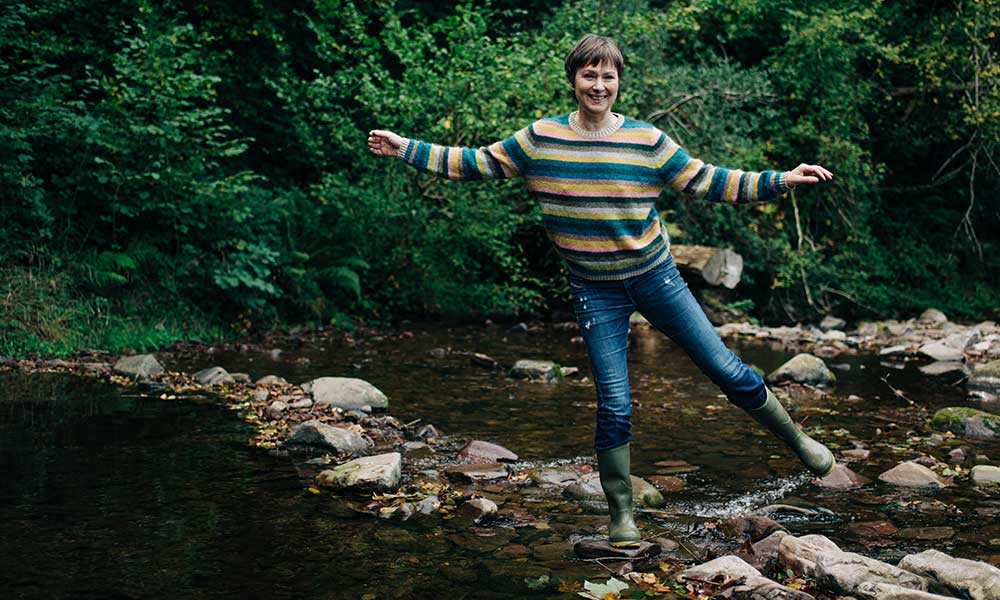
About Catherine Annis
With a Masters in Ballet Studies, Catherine Annis has over 40 years yoga experience and has been practicing movement nearly all her life. Originally a professional dancer, she discovered yoga in the mid 1970s and has studied various styles of yoga and movement including Iyengar, Astanga and Hatha, as well as Pilates.
.
Catherine began teaching yoga in 2004 and has taught thousands of hours of classes whilst continuing to study and research yoga and movement. Catherine taught in all the leading yoga studios in London for many years and was invited to join the teacher advisory board and lead the Triyoga teacher training. Noticing that trainees consistently asked for more detail about anatomy and biomechanics, she created the Intelligent Yoga Teacher Training Course in 2017, a 12 month, anatomically focused yoga teacher training qualification recognised by Yoga Alliance Professionals.
.
Catherine Annis Yoga offers a wide range of live and on-demand and CPD workshops (British Wheel of Yoga and Yoga Alliance Professionals). She has been invited to create themed courses for leading businesses and charities, for example: Network Rail, The ME Society and The Pilates Foundation. In 2024 she was approached by the Army to create a course introducing yoga to their personal trainers and launched the course Mindful Movement for Fitness Professionals in the Armed Forces (recognised by YMCA Awards). This course provides existing gym instructors the skills to incorporate meditation, yoga and breathing techniques into their current training programmes.
.
Catherine teaches regular retreats in the UK and internationally and is recognised as a Senior Teacher at Yoga Alliance Professionals and an Experienced Registered Yoga Teacher (E-RYT® 500) and a Continuing Education Provider (YACEP ) at Yoga Alliance US. She is currently enrolled on the SIRPA chronic pain practitioner course and has joined DGR Interactive, the world class training in rehabilitation and biomechanics.
Enjoyed this? Let's stay connected.
Follow me on Instagram for practical movement ideas, strength and somatic yoga, and ideas to help you move well, feel strong and stay resilient.